
AWS Cloud Consulting Services
Work directly with an AWS Certified Solutions Architect – Professional on your AWS infrastructure: architecture, migration, security, Terraform, and cost.
Shane Schlabach · AWS Solutions Architect – Professional · 12+ years in AWS & Azure · Remote across the US

Overview
I help businesses build, migrate, and improve AWS environments that are secure, reliable, and practical to maintain. Whether you're planning a migration, troubleshooting an existing setup, or trying to get cloud costs under control, I provide hands-on engineering from planning through implementation.
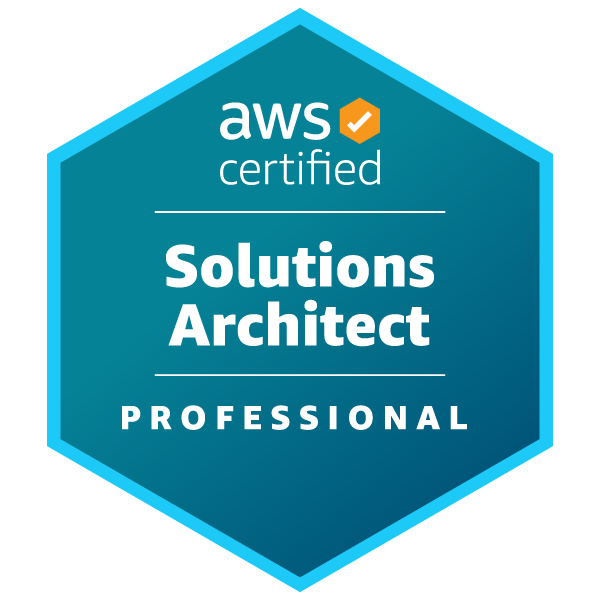
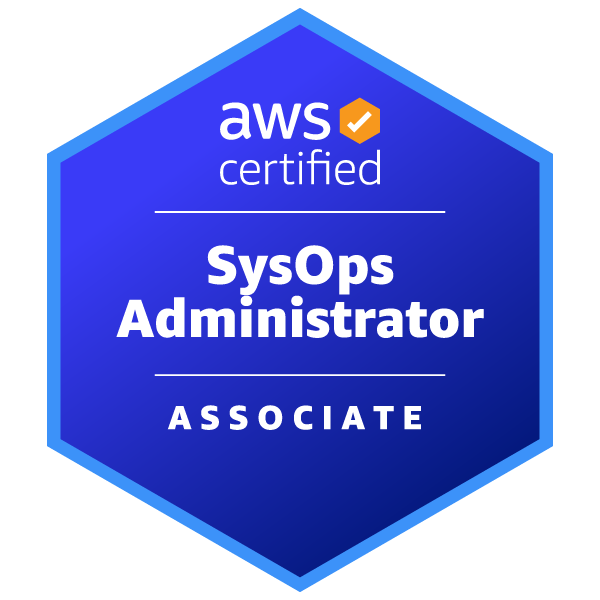
I'm an AWS Certified Solutions Architect – Professional, with additional certifications in AWS Security, Advanced Networking, and SysOps, and more than 12 years of experience designing, migrating, and running production cloud environments. At 3 Hops Tech, you work directly with me, from the first conversation through delivery and ongoing support.
AWS consulting services include
- Architecture and account setup: Design account structures, VPCs, connectivity, and access controls that fit your applications, team, and security requirements.
- Cloud migrations: Move applications and databases to EC2, ECS, Fargate, or managed services, with a plan for dependencies, testing, cutover, and rollback.
- Security improvements: Protect root accounts, strengthen identity and access management, enforce MFA, and configure encryption, logging, and threat detection.
- Terraform and infrastructure automation: Bring manually created infrastructure under version control and build reusable Terraform configurations that make changes consistent and repeatable.
- Application delivery: Build or improve CI/CD pipelines and container deployments so your team can release changes with fewer manual steps.
- Reliability and troubleshooting: Investigate infrastructure issues, improve monitoring and alerting, and review backup and recovery processes to support day-to-day operations.
- Cost optimization: Identify idle resources, right-size workloads, and apply autoscaling and scheduling where they make sense, while accounting for performance and availability needs.
The goal is an AWS environment your team understands and can operate with confidence. Infrastructure work is delivered as code in your own AWS accounts, with documentation covering what was built, how to manage it, and how to make future changes. You keep ownership of your infrastructure, code, and access, whether you continue with ongoing support or manage everything internally.
Have an AWS project in mind, or an environment that needs attention? Let's talk about what's working, what needs to change, and where I can help.
Selected work
Examples from enterprise production environments I've led. Client names are kept private.
Move .NET services to Docker on ECS with autoscaling
I containerized .NET services that had been running on Linux EC2 instances and deployed them to Amazon ECS. I created a Dockerfile for each service and configured the ECS task definitions and services. Builds and deployments became consistent, rollouts no longer required updating servers individually, and the team spent less time managing hosts. The services had been provisioned for peak traffic and kept at that capacity around the clock, so I configured autoscaling based on actual demand. Capacity then tracked traffic, cutting infrastructure costs for those services by about 25% without requiring changes to application code.
Import live AWS services into Terraform
I imported existing AWS infrastructure into Terraform, bringing the production environment under version control, and used Terraform for all infrastructure changes and new services. I organized the code into reusable modules and ran Checkov to scan for security misconfigurations before deployment. With everything in code, I rolled out AWS best-practice settings across the account—including encryption, tighter access controls, and logging—through code changes instead of one-off console fixes. Version-controlled code became the source of truth, making changes reviewable, deployments repeatable, and the environment easier to hand off.
Set up Jenkins pipelines with gated production deploys
I set up Jenkins on AWS and built CI/CD pipelines for the team’s services. A push to the code repository automatically triggered a build, and each build artifact was stored in Amazon S3 and deployed with AWS Systems Manager. Successful builds went straight to QA, so changes were ready for testing without manual intervention. Production deployments ran through the same pipeline but required approval before release. This standardized deployments across environments and replaced manual release checklists with a repeatable process. The team could clearly see what was running in each environment and roll back by redeploying a previous build from S3.
Related post →How engagements work
Every engagement starts with a free, no-obligation conversation. Project work is $150/hour with scope agreed up front, or ongoing care as a monthly managed service.
- 1
Discovery
What you run today, where it hurts, and what “done” looks like.
- 2
Plan
A written roadmap: options, sequence, and what I would touch first.
- 3
Build
Infrastructure, automation, and security — as code, in your accounts.
- 4
Support
Monitor, patch, and keep changing it as the workload changes.
Common questions
What kinds of AWS projects do you take on?
Account and network architecture, migrations to AWS, security reviews and hardening, Terraform and CI/CD pipelines, cost optimization, and ongoing managed support. Most engagements mix a few of these.
Can you work on an AWS environment someone else built?
Yes, and that's most of the work. I start by reviewing what's running today, then improve it in place rather than rebuilding it, including importing existing resources into Terraform without downtime.
Who will I be working with?
Me, Shane Schlabach. The person on the first call is the person doing the work. There are no account managers and no handoffs to junior staff.
How much does it cost?
Project work is $150/hour, with scope and a plan agreed before work starts. Managed service starts at $2,000/month and is scoped after a review of your environment.
Do you work with companies outside Ohio?
Yes. I'm based in Cincinnati, Ohio and work remotely with teams across the United States.
Who owns the code and documentation?
You do. Everything is built in your own AWS or Azure accounts and source control, with handoff documentation so your team can run it without me.
How do we get started?
Use the form below to send a few sentences about where things stand. I reply within one business day, and the first conversation is free with no obligation.